📅 Date: 18 February 2026
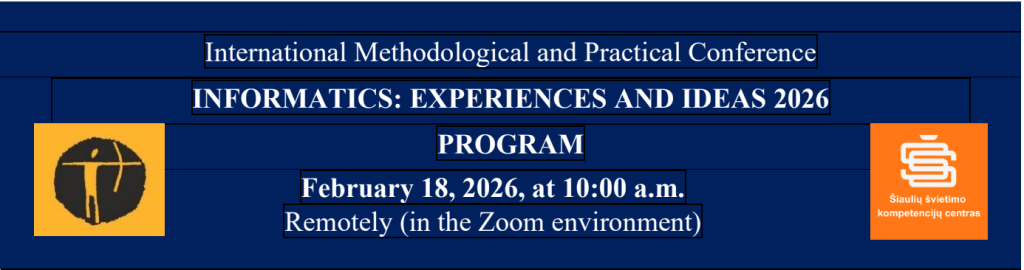
We are pleased to share that members of the project team participated in the INFORMATICS: EXPERIENCES AND IDEAS 2026, an international methodological and practical conference bringing together researchers and educators in the field of informatics and education.
Presentation Overview
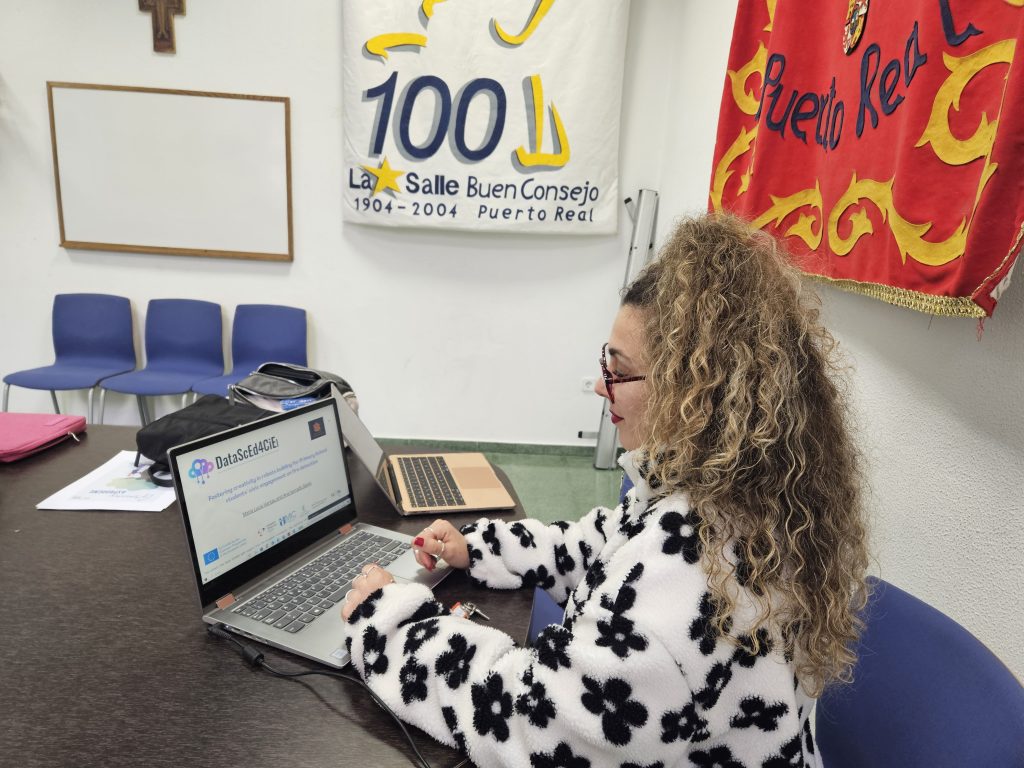
Maria Lucia Vargas and Ana Serradó Bayés presented a study focusing on justice-oriented data science education in primary schools, highlighting innovative approaches that combine creativity, civic engagement, and STEAM education.
The research is grounded in the idea that data are not neutral, but shaped by human decisions and societal contexts. Based on this perspective, the project integrates ethically grounded, inquiry-based pedagogies with authentic data science practices.
The Learning Scenario
The presentation showcased the implementation of the learning scenario:
“Fire Alert! We Detect Fires, We Protect Our Future!”
This intervention involved 50 sixth-grade students and was structured as a seven-lesson programme focusing on:
- Fire detection and environmental responsibility
- Analysis of local and global fire data
- Engagement with real-world data platforms and scientific uncertainty
- Participation in civic dialogue and decision-making
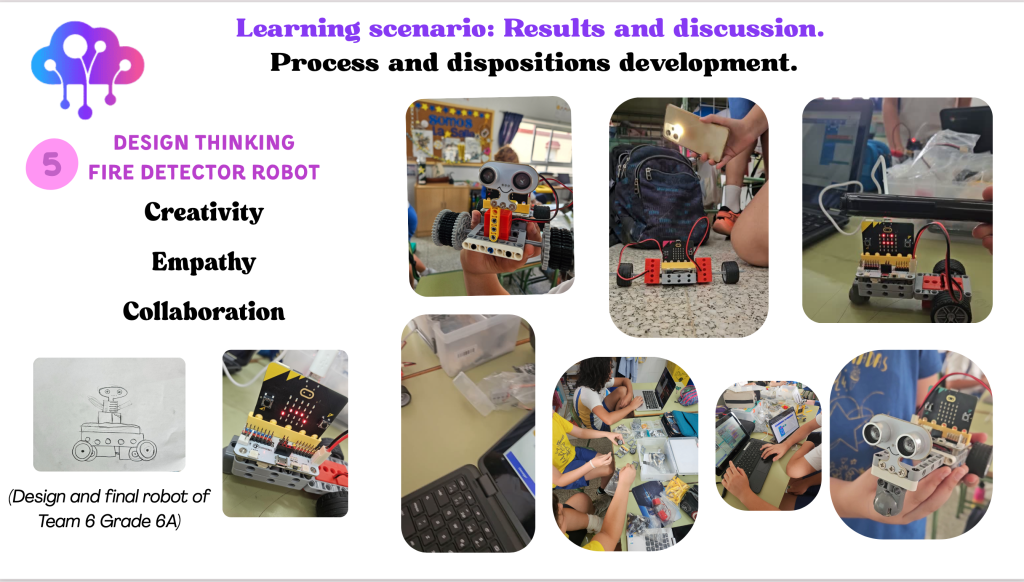
Through a design thinking process, students designed and programmed fire detection robots using sensors and microcontrollers, culminating in presentations that communicated socially relevant prevention messages.
Methodology
The study followed a design-based research approach, combining multiple data sources, including:
- Pre- and post-surveys
- Student artifacts
- Video recordings
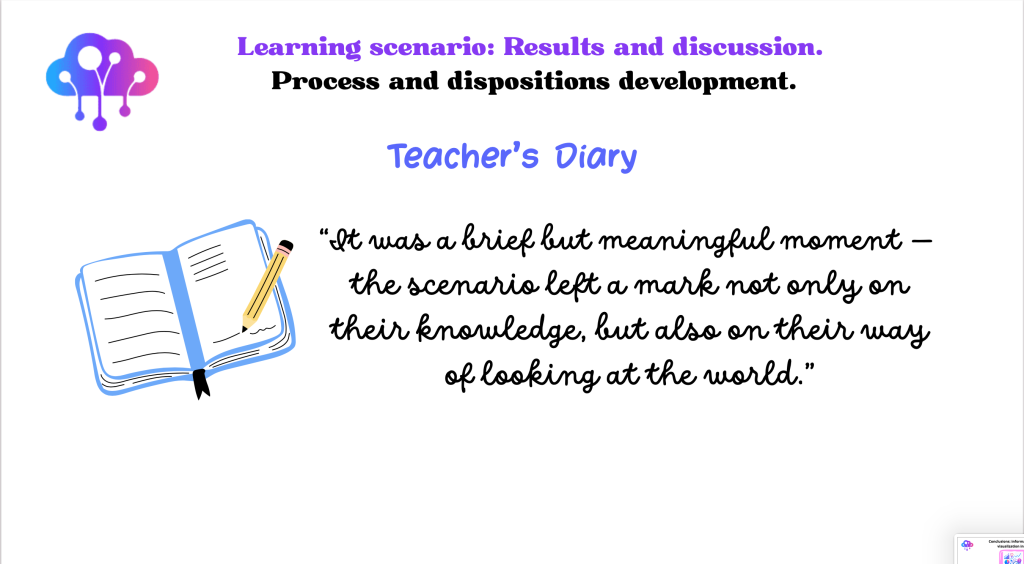
- Teacher diaries
- Focus groups
This mixed-methods approach enabled a comprehensive evaluation of both learning outcomes and student engagement.
Key Findings
The results demonstrated that the scenario effectively supported the development of:
- Critical and creative thinking
- Collaboration and communication skills
- Empathy and civic awareness
- Logical reasoning and programming skills
Importantly, creativity emerged as a core learning outcome, reflected in students’ innovative designs, iterative problem-solving processes, and meaningful communication of ideas.
Engagement with authentic data also enhanced students’:
- Analytical and interpretive skills
- Data visualisation competencies
- Digital and critical literacy
Impact and Contribution
The study highlights the strong potential of combining robotics, real-world data, and civic-oriented inquiry to support social justice–focused data science education in primary education.
By bridging informatics, creativity, and civic responsibility, the project contributes valuable methodological and practical insights aligned with the goals of the conference.